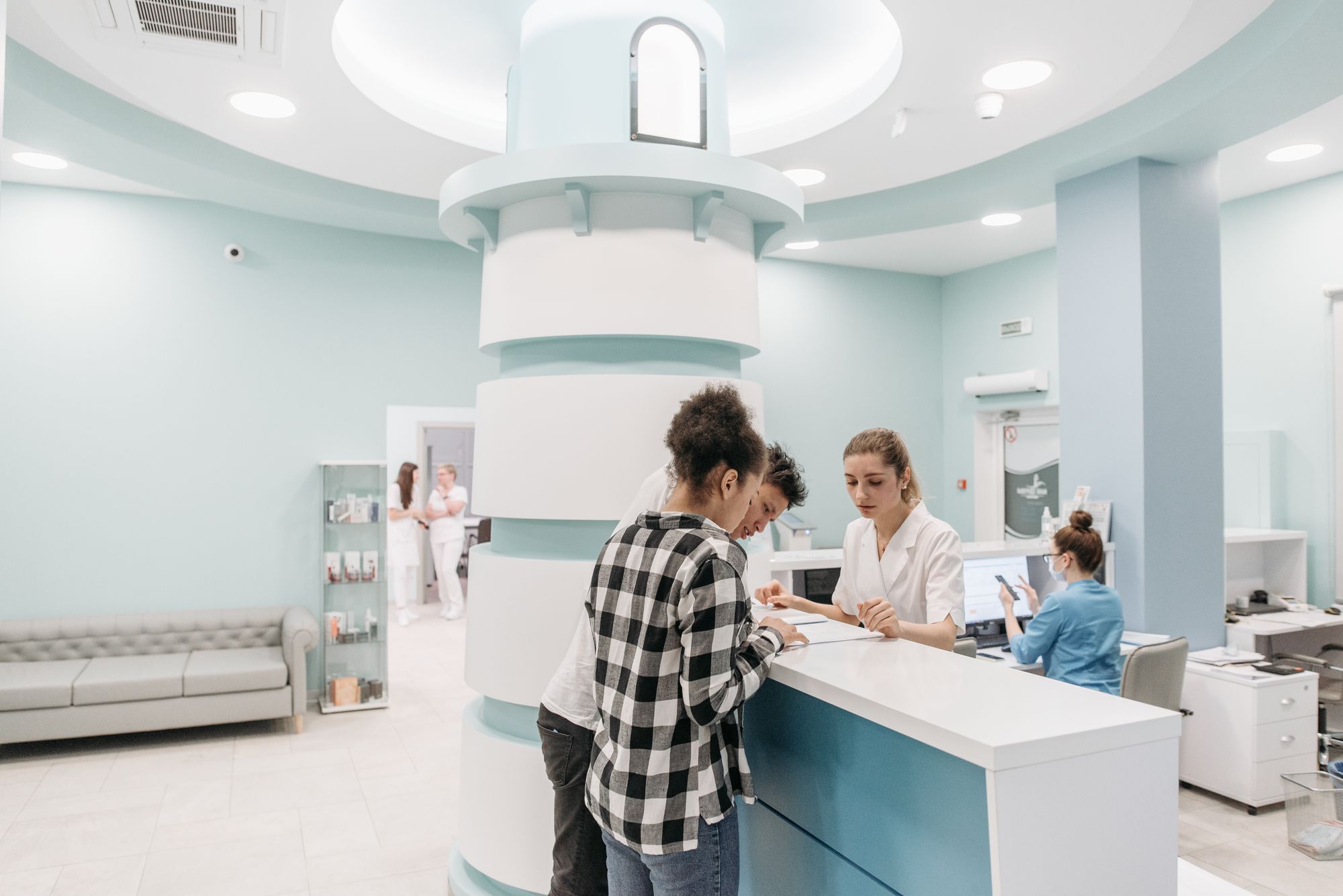
The front desk is the most underestimated position in a medical practice. It is the first face every patient sees walking in and the last as they leave, bookending the entire experience, and it sets the emotional tone for the visit before the patient ever meets a clinician. A warm, competent front desk can make an anxious patient feel cared for and smooth over the inevitable friction of a busy day. A cold, harried or disorganized one can sour even excellent clinical care.
Yet front-desk roles are often the lowest-paid, least-trained and highest-turnover in the practice, a striking mismatch between how much the role matters and how much practices invest in it. Getting the front desk right, and giving it tools that keep the schedule under control, is one of the best-value improvements available.
Why the front desk is so important
- First and last impressions. Patients form judgments fast, and the front desk owns both bookends of the visit. Those impressions heavily color how patients remember the whole experience.
- The emotional tone. A patient greeted warmly relaxes; one who feels ignored or processed arrives at the exam room already on edge.
- Operational hub. The front desk drives scheduling, check-in, eligibility, collections and communication. Its efficiency shapes the whole day’s flow.
- Reviews and reputation. A remarkable number of negative reviews are about front-desk interactions, not clinical care. This is where reputations are quietly made and lost.

What front desk excellence looks like
Warmth first
The single most important quality is genuine warmth: greeting patients by name, with eye contact and a smile, making them feel welcome and seen. It costs nothing and matters more than almost anything else.
Competence and efficiency
Warmth without competence frustrates; the ideal front desk is both friendly and efficient. Smooth check-in, accurate information and quick handling of routine needs respect the patient’s time.
Calm under pressure
The front desk juggles ringing phones, a line of patients and constant interruptions. Staying composed and making each patient feel attended to amid the chaos is a genuine skill, and one you can support with the right tools and staffing.
Clear communication
Setting expectations about wait times, what to bring and costs, explaining things patiently, and handling questions well prevents confusion and defuses frustration before it builds.
Discretion and privacy
The front desk handles sensitive information in a public space. Excellent staff protect privacy instinctively and handle delicate situations with tact, which is a compliance obligation as much as a courtesy.
Investing in your front desk
- Hire for temperament. Skills can be taught; genuine warmth and composure are harder to train. Hire for the disposition, then build the skills.
- Train properly. Do not throw front-desk staff in unprepared. Train them on systems, on service and on handling difficult situations.
- Value and retain them. Recognize the role’s importance, and reduce the turnover that leaves you perpetually staffed by newcomers still learning the ropes.
- Give them the right tools. A front desk fighting clunky software cannot be efficient or warm; they are too busy struggling with the system to focus on the patient.

Remove the friction so they can focus on people
Here is the key insight: the more time your front desk spends wrestling with tedious tasks, the less they have for the human connection that makes them excellent. When check-in is a slow manual slog, when eligibility has to be looked up in a separate portal, when everything takes too many clicks, staff are heads-down in the computer instead of engaged with the patient in front of them. Reducing that operational friction is not just about efficiency; it directly frees the front desk to do the warm, human part of the job well.
How your platform helps
A modern platform supports front-desk excellence by taking the friction out of the operational work. Intake completed before arrival, automated eligibility verification, a clear view of the day’s schedule and easy communication mean the front desk spends less time buried in tasks and more time engaging with patients. When the software handles the tedious parts smoothly, your team can be the calm, warm, competent presence that makes patients feel cared for from the moment they arrive to the moment they leave.
Frequently asked questions
Why is the front desk so important in a medical practice?
The front desk is the first and last thing every patient experiences, setting the emotional tone before they meet a clinician and shaping how they remember the whole visit. It is also the operational hub for scheduling, check-in, eligibility, collections and communication. Notably, a large share of negative patient reviews concern front-desk interactions rather than clinical care.
What makes a great medical front desk?
Genuine warmth first, greeting patients by name with a smile and making them feel welcome, combined with competence and efficiency so the experience is both friendly and smooth. Add calm under pressure, clear communication that sets expectations, and instinctive discretion with sensitive information. The best front desks are warm and efficient at once, which requires both the right people and tools that remove friction.
How can I improve my front desk?
Invest in the role: hire for warmth and composure since skills can be taught, train staff properly on systems and service, value and retain them to avoid constant turnover, and give them tools that reduce friction. The more the software handles tedious tasks like check-in and eligibility smoothly, the more your front desk can focus on the human connection.
Free your front desk to focus on patients
MedTec streamlines check-in, intake and eligibility so your team can be warm and efficient at once. Call 1-888-674-5334.