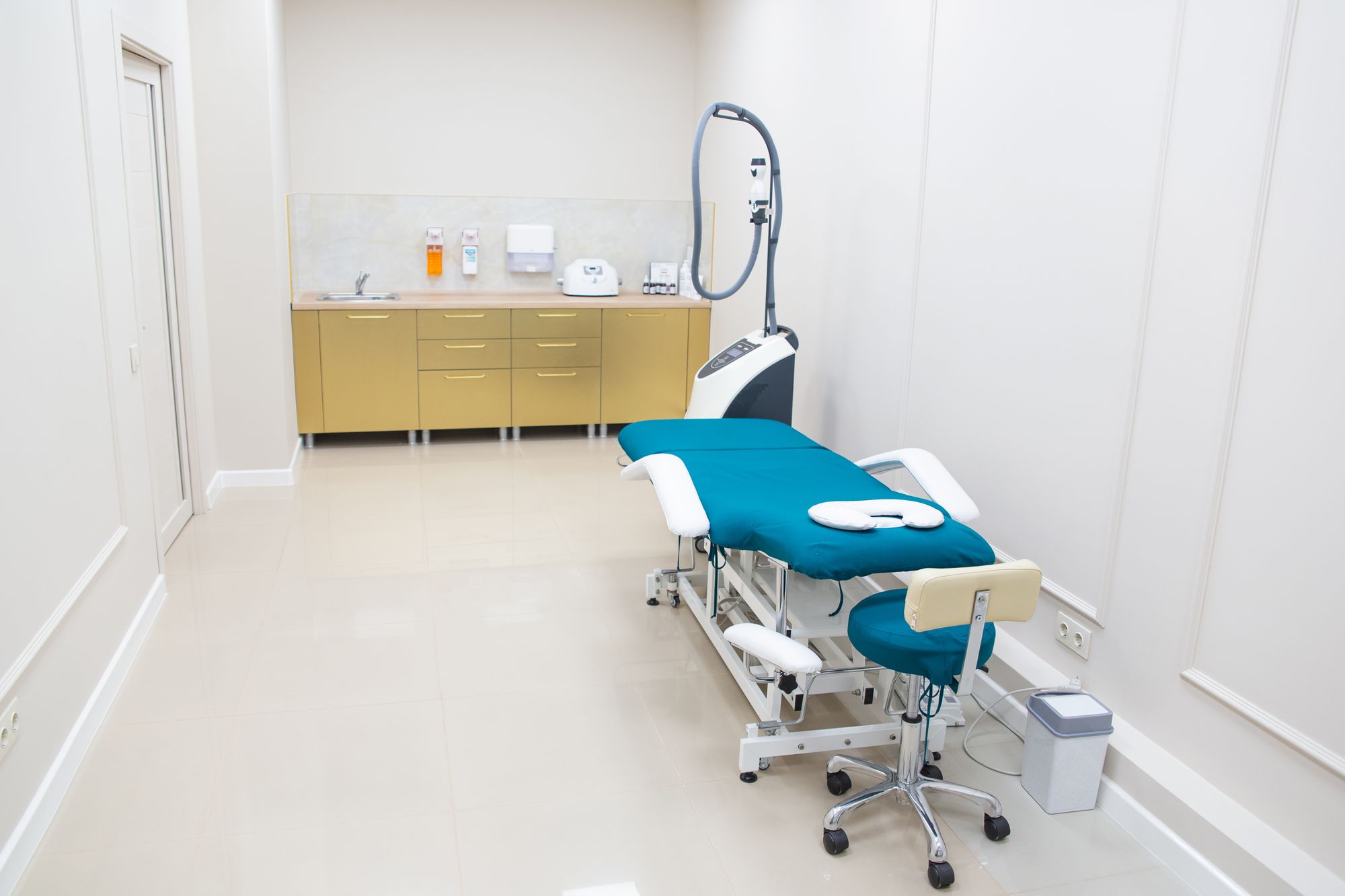
Exam rooms are where the revenue happens, and in most practices they are used far less efficiently than anyone realizes. A room sitting empty between patients, a provider waiting because the next room is not ready, a patient sitting alone for fifteen minutes because the flow broke down: these small inefficiencies, repeated dozens of times a day, quietly cap how many patients you can see and how long everyone waits.
Exam room efficiency, meaning how well you use your rooms and how smoothly patients move through them, is one of the least glamorous but most consequential levers on a practice’s capacity and patient experience. Improving it means seeing more patients, shorter waits, and a calmer day, usually without adding rooms, providers or hours.
Why room efficiency matters
- Capacity. Your exam rooms are often the real bottleneck on how many patients you can see. Using them better expands capacity from the space you already have.
- Wait times. Smooth flow means patients move through promptly instead of waiting for a room or a provider. Poor flow is a leading cause of long waits.
- Provider productivity. A provider waiting for a ready room is expensive idle time. Good flow keeps them moving from patient to patient.
- Experience. Both patients and staff have a better day when things flow smoothly rather than lurching through bottlenecks.

Where flow breaks down
Understanding the common failure points shows you where to focus:
- Rooms not ready. The next room is not cleaned, stocked or set up, so the provider waits or the patient sits.
- Poor rooming process. Inefficient or inconsistent rooming, covering vitals, history and setup, creates delays before the provider even enters.
- Provider bottlenecks. One provider running behind backs up every room they use.
- Waiting on supplies or equipment. Staff leave the room mid-visit to hunt for something that should have been there, which is a stocking problem masquerading as a flow problem.
- Documentation drag. The provider spends excessive time on the computer in the room, or between rooms, slowing everything down.
- Uneven pace. Bunched-up or poorly sequenced scheduling creates crushes and lulls that break the rhythm.
Improving exam room flow
Standardize room setup and turnover
Have a clear, consistent process for readying a room between patients, so it is cleaned, stocked and set up and the next patient can go straight in. Consistency here removes a huge amount of waiting.
Optimize the rooming process
Make rooming, covering vitals, history and preparation, efficient and consistent so patients are ready for the provider promptly. A strong rooming process run by support staff is a major flow accelerator.
Keep rooms stocked
Ensure rooms have the supplies and equipment needed for the visits they host, so nobody has to leave mid-visit to fetch something.
Use rooms strategically
Consider how many rooms per provider makes sense, and use techniques like having the next patient roomed and ready before the provider finishes the current one, so there is no gap between patients.
Reduce in-room documentation drag
Time the provider spends wrestling with the computer in the room slows turnover and pulls attention off the patient. Reducing that documentation burden, which is exactly what an ambient scribe is for, speeds flow and improves the visit at the same time.
Match the schedule to reality
Schedule in a way that smooths the pace and reflects how long visits actually take, so flow is not broken by unrealistic timing. Good scheduling and good room flow are the same problem seen from two ends.

Flow is a team sport
Great exam room flow works when everyone, from the front desk to medical assistants, nurses and providers, understands the flow and their part in keeping it moving: the front desk pacing check-ins, assistants rooming efficiently and prepping rooms, providers staying on pace, and clear signals about who is ready and which room is open coordinating it all. A short huddle that flags the day’s flow challenges helps, as does a shared understanding that keeping patients moving is everyone’s job. When the team operates as a coordinated flow rather than a series of disconnected handoffs, capacity and experience both improve markedly.
How your platform helps flow
Smooth exam room flow depends on coordination and on reducing the drags that slow each visit, both of which your systems shape. Clear visibility into room and patient status, meaning who is roomed, which rooms are open and who is waiting, helps the whole team keep patients moving. And critically, reducing in-room documentation burden directly speeds turnover: when a provider is not spending long minutes typing in the room, they move to the next patient sooner and stay present with the current one. An AI-native platform that lightens documentation and gives the team a shared view of flow attacks two of the biggest turnover bottlenecks at once. This is the same insight behind removing waste from any process: find the waiting, then design it out. The result is more patients seen, shorter waits and a smoother day, from the rooms and staff you already have.
Frequently asked questions
How can I improve exam room efficiency?
Standardize room setup and turnover so the next room is always ready, optimize the rooming process so patients are prepared for the provider promptly, and keep rooms stocked so nobody leaves mid-visit to fetch supplies. Use rooms strategically by having the next patient roomed and ready before the provider finishes the prior one, reduce in-room documentation drag, and schedule to smooth the pace. Good flow is a team effort where everyone understands their part in keeping patients moving.
Why does room turnover matter?
Exam rooms are often the real bottleneck on how many patients a practice can see, so slow turnover directly caps capacity and revenue. It also drives up wait times as patients wait for a room or provider, wastes expensive provider time while they sit idle waiting for a ready room, and worsens the experience for patients and staff. Improving turnover typically lets you see more patients with shorter waits, without adding rooms, providers or hours.
What slows down exam room flow?
Common culprits include rooms that are not cleaned, stocked and ready between patients; inefficient or inconsistent rooming; a provider running behind and backing up their rooms; staff leaving mid-visit to hunt for supplies; excessive in-room documentation time; and bunched-up or unrealistic scheduling that breaks the rhythm. Most are fixable with standardized processes, good stocking, reduced documentation burden and coordinated team-based flow.
Ready to see it on your own workflow?
See more patients from the rooms you already have. MedTec lightens in-room documentation and gives your team a shared view of flow. Call 1-888-674-5334.