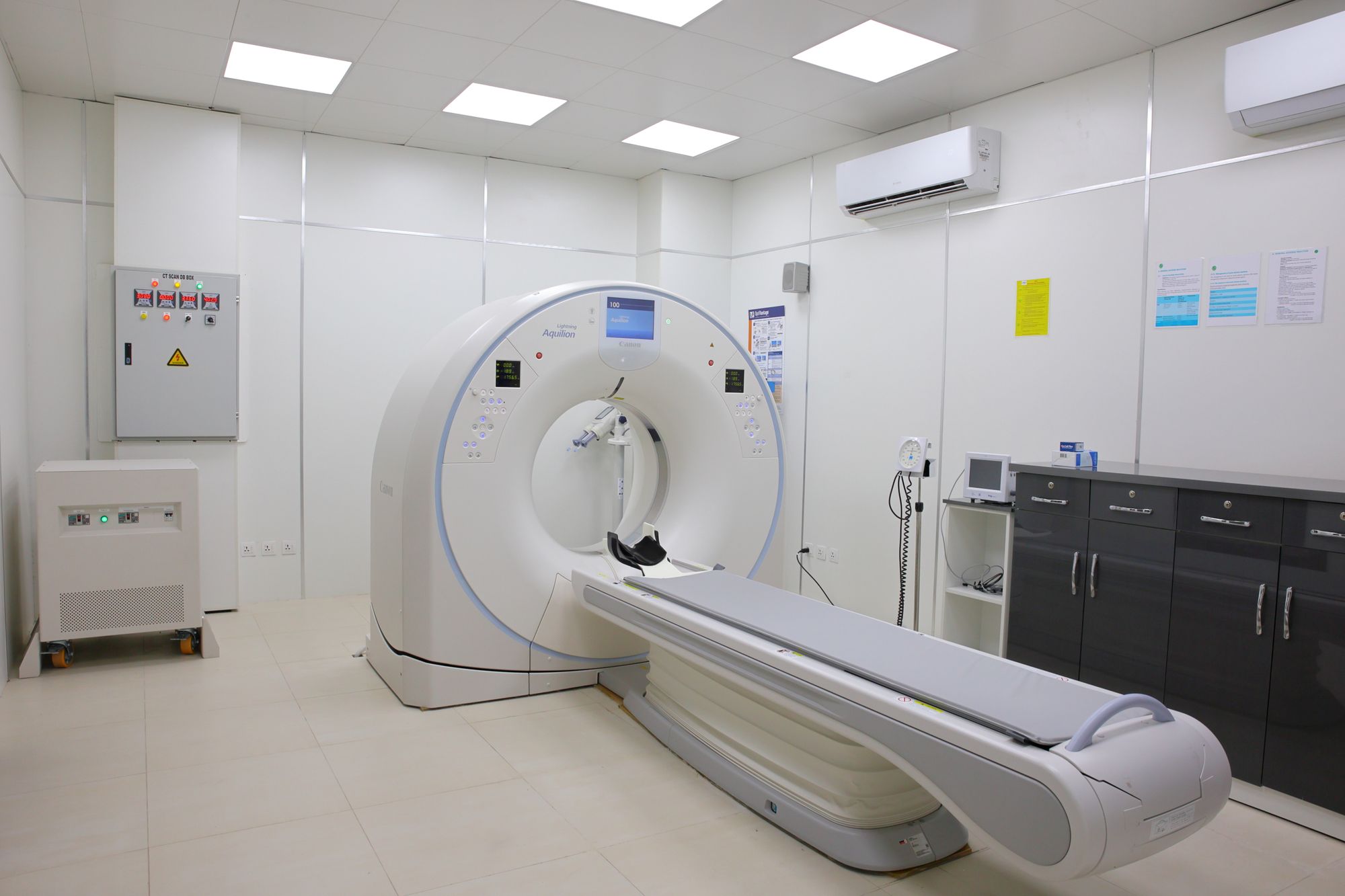
Practices run on equipment and technology: exam and diagnostic equipment, devices, computers, networks, and the software that ties it all together. Most manage all of it reactively, using things until they break and then scrambling. That approach guarantees the worst-case scenario, the critical piece failing mid-clinic with no plan, disrupting care and forcing a rushed, expensive replacement.
It also lets technology quietly become obsolete, dragging down efficiency without anyone deciding to let it. Managing equipment and technology across their full lifecycle, planning for acquisition, maintenance and eventual replacement rather than just reacting, keeps the practice running smoothly, avoids nasty surprises, spreads costs sensibly, and ensures your tools support rather than hinder the work. Because your core platform is the most consequential piece of technology you own, it deserves the same lifecycle thinking as any physical asset.
Why lifecycle management matters
- Avoiding failures. Running equipment until it breaks means the critical piece fails at the worst time, disrupting care and forcing an expensive emergency replacement. Planning prevents the crisis.
- Budgeting and cash flow. Equipment and technology are major expenses. Planning replacements ahead lets you budget and spread costs rather than being hit by sudden large outlays, which ties directly to how you manage cash flow and reserves.
- Efficiency. Outdated equipment and technology quietly drag down productivity and frustrate staff. Keeping tools current keeps the practice efficient.
- Avoiding obsolescence risk. Technology especially can become unsupported or insecure as it ages, which is a reliability and security risk if left unmanaged.

The lifecycle stages
Managing across the lifecycle means attending to each stage:
Acquisition
Choosing and buying equipment and technology well: the right tools for your needs, at a sensible cost, from reliable vendors. Good decisions here pay off for years.
Maintenance
Keeping equipment in good working order through proper, often preventive, maintenance, which extends life, prevents failures and is sometimes required. Tracking maintenance schedules ensures it actually happens rather than being forgotten until something breaks.
Monitoring and planning
Tracking the age and condition of your equipment and technology, and planning ahead for replacement before things fail or become obsolete, so replacements are budgeted and scheduled rather than treated as emergencies.
Replacement and disposal
Replacing equipment on a sensible schedule, and disposing of old equipment properly. That includes making sure any patient data on old devices is securely handled, which sits alongside your wider records retention and destruction policy.
Special focus: technology and software
Technology deserves particular attention within the lifecycle, because it ages differently than physical equipment:
- Software gets outdated and unsupported. Old software can become insecure, unsupported and a drag on efficiency, a cybersecurity and reliability risk as much as an inconvenience.
- The cloud shifts the model. Cloud-based systems change technology lifecycle management dramatically, because the vendor handles updates, maintenance and staying current. That removes much of the on-premise burden of aging servers and software, and it is a major, underappreciated advantage.
- Your core platform is the biggest technology decision. Your EHR and core systems are your most consequential technology, so keeping them current and capable matters most of all.

Plan ahead, do not react
The core discipline is simple to state and powerful in effect: shift from reactive to planned. A practice that tracks its equipment and technology, maintains it properly, and plans replacements before failures force them avoids the crises, budgets sensibly, and keeps its tools supporting the work. A practice that just uses things until they break lurches from one avoidable emergency to the next, always overpaying for rushed fixes and living with obsolete tools in between. The planning itself does not need to be elaborate. An inventory of key equipment and technology with age, condition, maintenance schedule and expected replacement timing is enough to turn reactive scrambling into calm management.
How your platform fits
For the technology side of the lifecycle, the single biggest simplifier is running on a modern, cloud-based AI-native platform. Cloud platforms largely remove the traditional technology-lifecycle burden: no aging on-premise servers to maintain and replace, and no software that quietly goes out of date, because the vendor keeps everything current, secure and supported. That eliminates a whole category of the obsolescence, security and replacement headaches that on-premise systems create. For physical equipment, a well-run practice can track maintenance and replacement planning as part of its operational discipline, and connected devices integrate with the platform. Choosing a modern cloud platform is itself a major lifecycle decision: it is the difference between managing your core technology’s aging yourself and having it handled for you. The rest is the straightforward discipline of tracking and planning for your physical equipment.
Frequently asked questions
What is equipment lifecycle management?
It is managing your practice’s equipment and technology across their full life: planning acquisition, keeping up maintenance, monitoring age and condition, and planning replacement before things fail or become obsolete, rather than reactively using things until they break. Good lifecycle management avoids mid-clinic failures, lets you budget and spread costs, keeps tools efficient and secure, and prevents the expensive emergency replacements that reactive management guarantees.
How do I plan for equipment replacement?
Maintain an inventory of your key equipment and technology with each item’s age, condition, maintenance schedule and expected replacement timing. That lets you plan and budget replacements ahead of failure, spreading costs sensibly rather than being hit by sudden large outlays or emergency purchases. The planning does not need to be elaborate: even a simple tracked inventory turns reactive scrambling into calm, budgeted management, and it ties into your broader cash-flow and reserve planning.
How does cloud technology affect lifecycle management?
Cloud-based systems dramatically simplify the technology side of the lifecycle. With on-premise systems you must maintain and eventually replace aging servers and software, which can quietly become insecure and unsupported. With a cloud platform the vendor handles updates, maintenance, security and staying current, removing much of that burden and eliminating a whole category of obsolescence and replacement headaches. Choosing a modern cloud platform is itself a major, often underappreciated, lifecycle decision.
Ready to see it on your own workflow?
Let the cloud handle your technology lifecycle. MedTec stays current, secure and supported, with no aging servers or obsolete software to manage. Call 1-888-674-5334.