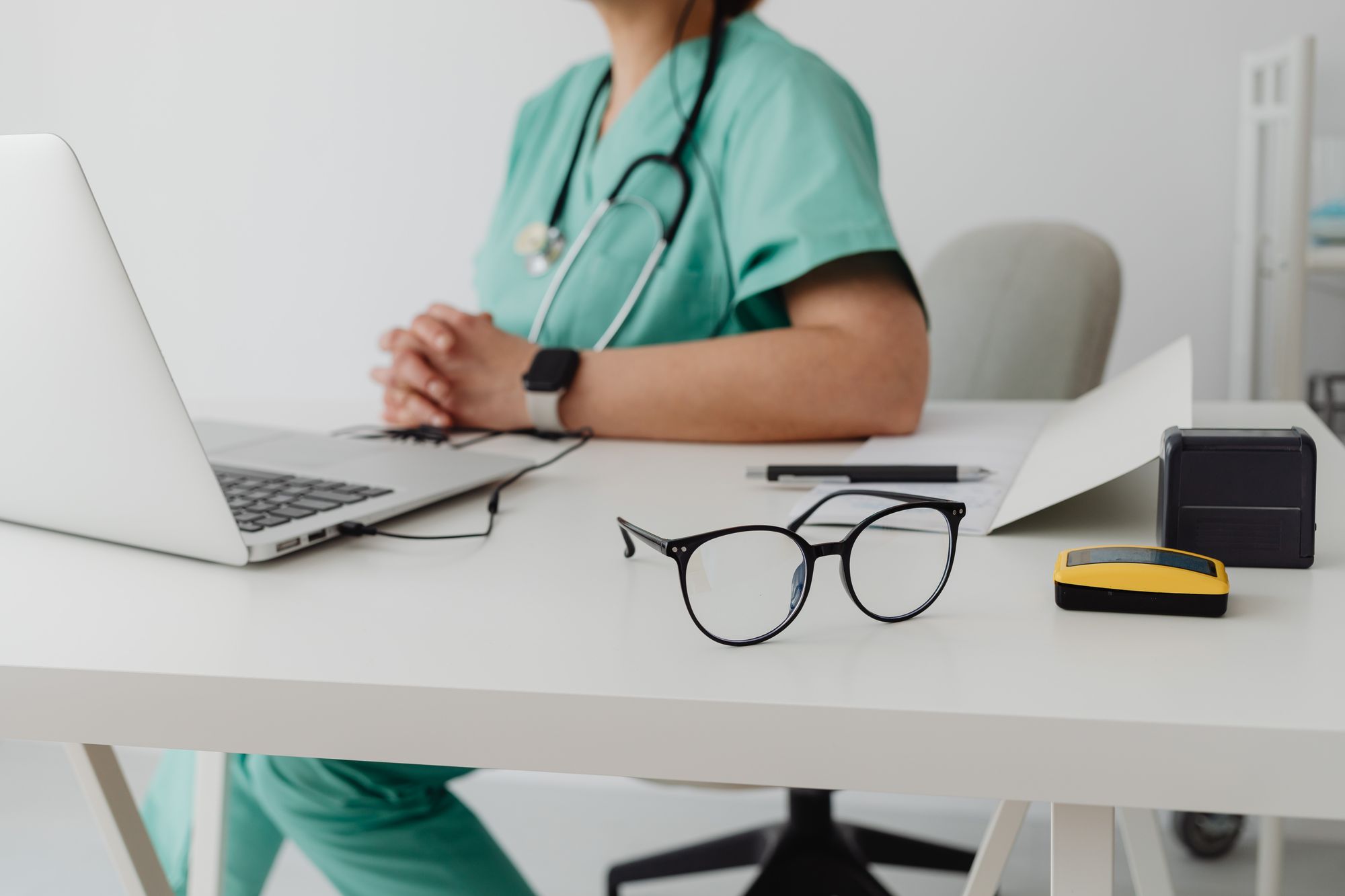
Documentation is the part of medicine no one went to school for and everyone complains about, yet it quietly underpins nearly everything a practice does. The clinical note is the record of care, the basis for the bill, the communication tool between providers, the memory that spans visits and, when things go wrong, the legal defense of what happened.
Good clinical documentation serves all of these well: it is clear, complete, accurate and timely. Poor documentation undermines all of them: it fragments care, invites coding problems and denials, fails audits, and leaves you defenseless if a claim or a case is ever questioned. The good news is that the principles are learnable and, increasingly, much of the burden can be lifted by technology.
Why documentation matters so much
- Continuity of care. The note is how the next visit, and the next provider, knows what happened.
- Billing and coding. The note has to support the code, or you either lose earned revenue or invite trouble. Most medical-necessity denials are documentation problems in disguise.
- Legal protection. In a dispute, the record is the evidence. Complete, contemporaneous documentation is your best protection; gaps and inconsistencies are your greatest exposure.
- Communication. Notes communicate to other providers, to your future self and to the patient. Good documentation is good communication.
- Quality and safety. Accurate records support good decisions and safe care; poor ones contribute to errors.
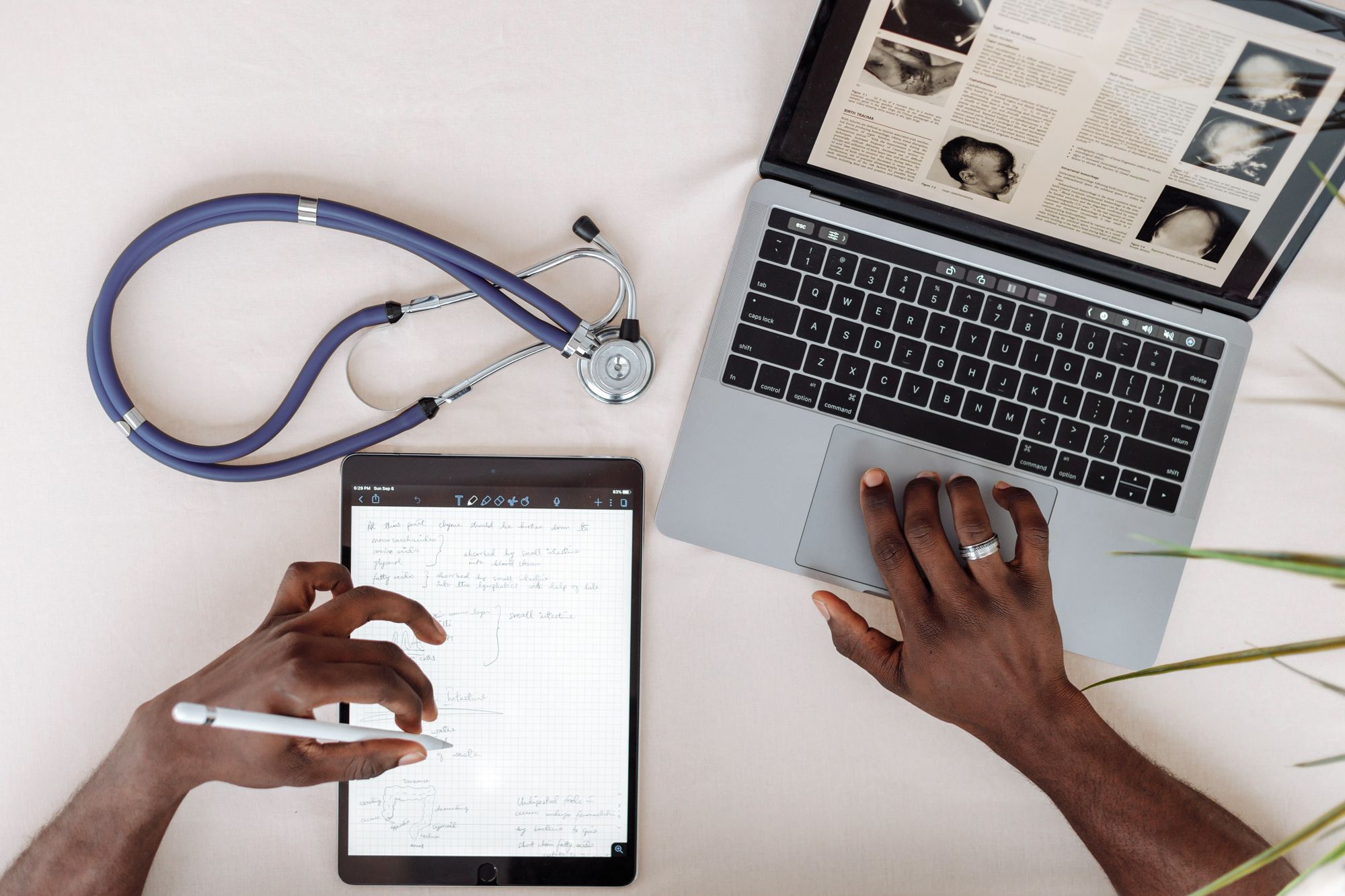
The principles of good documentation
Be complete
The note should capture what actually happened, the relevant history, findings, clinical reasoning, decisions and plan, completely enough that someone else, or you later, can understand the encounter. Completeness is what supports care, coding and defense alike.
Be accurate
Documentation must reflect reality. Inaccurate notes, whether from carelessness or copy-paste errors, undermine care and can be seriously damaging. Accuracy is non-negotiable.
Be clear
Write so others can understand. Clarity beats volume; a clear, well-organized note serves everyone better than a long, cluttered one that buries the important information.
Be timely
Document at or near the time of the encounter, while it is fresh. Notes written days later are less accurate and less complete. Timeliness improves quality and reclaims your evenings.
Capture the clinical reasoning
Do not just record findings, capture the thinking: what you considered, why you decided what you did. This is what makes a note genuinely useful clinically, and it is exactly what supports decision-making-based coding and defends your judgment.

The copy-paste trap
One of the biggest documentation pitfalls of the electronic era deserves special mention: copy-paste and note bloat. It is tempting to copy forward prior notes or lean on templates that auto-populate, but this breeds two problems: inaccuracy, from carried-forward information that is no longer true, and bloat, from notes so padded with boilerplate that the actual clinical content is buried.
Both undermine the note’s value. The padded, copy-pasted note looks thorough but often communicates less and defends worse than a concise, accurate one. Documenting what genuinely happened at this encounter, rather than recycling, is a discipline worth protecting.
The documentation burden problem
Here is the tension at the heart of documentation: the principles above take time, and time is exactly what clinicians do not have. The pressure to see patients efficiently collides with the need to document well, and the result is often notes done hastily, done after hours, or shortcut via copy-paste. This is not a discipline failure; it is structural. Good documentation and a full schedule are in genuine tension when the clinician has to type it all, and the historical solutions all degrade either the note or the clinician.
How an AI-native platform helps
This is where technology has changed what is possible. Ambient AI documentation can capture the encounter and generate a complete, accurate, well-organized note from the visit itself, resolving the core tension by producing good documentation without requiring the clinician to spend the time typing it. That means notes that are complete and capture the actual encounter rather than copy-pasted boilerplate, created contemporaneously, freeing the clinician to be present with the patient.
A note generated from the real conversation tends to be more complete and accurate than one hastily typed or recycled. The clinician still reviews and owns the final note: the AI removes the burden, not the responsibility.
Frequently asked questions
What makes clinical documentation good?
Good documentation is complete, capturing the relevant history, findings, clinical reasoning, decisions and plan; accurate, reflecting what actually happened; clear, organized so others can understand it; and timely, written at or near the encounter. It should also capture the clinical reasoning, not just findings. Documentation done this way supports continuity of care, accurate coding, legal protection, communication and safe care at once.
Why is copy-paste a problem in documentation?
Copy-paste and heavy templating breed two problems: inaccuracy, from information carried forward that is no longer true, and note bloat, from padding that buries the actual clinical content. A copied, padded note can look thorough while communicating less and defending worse than a concise, accurate one. Documenting what genuinely happened at this specific encounter protects the note’s real value.
How can I reduce documentation burden without cutting corners?
The historical shortcuts, rushing, copy-paste or documenting after hours, all degrade either the note or the clinician. The better approach is to change the equation with technology: ambient AI documentation can generate a complete, accurate note from the visit itself, so good documentation no longer requires the clinician to spend the time typing it, while the clinician still reviews and owns the final record.
Great notes without the burden
MedTec’s ambient documentation captures complete, accurate notes from the visit, with no after-hours catch-up and no copy-paste. Call 1-888-674-5334.