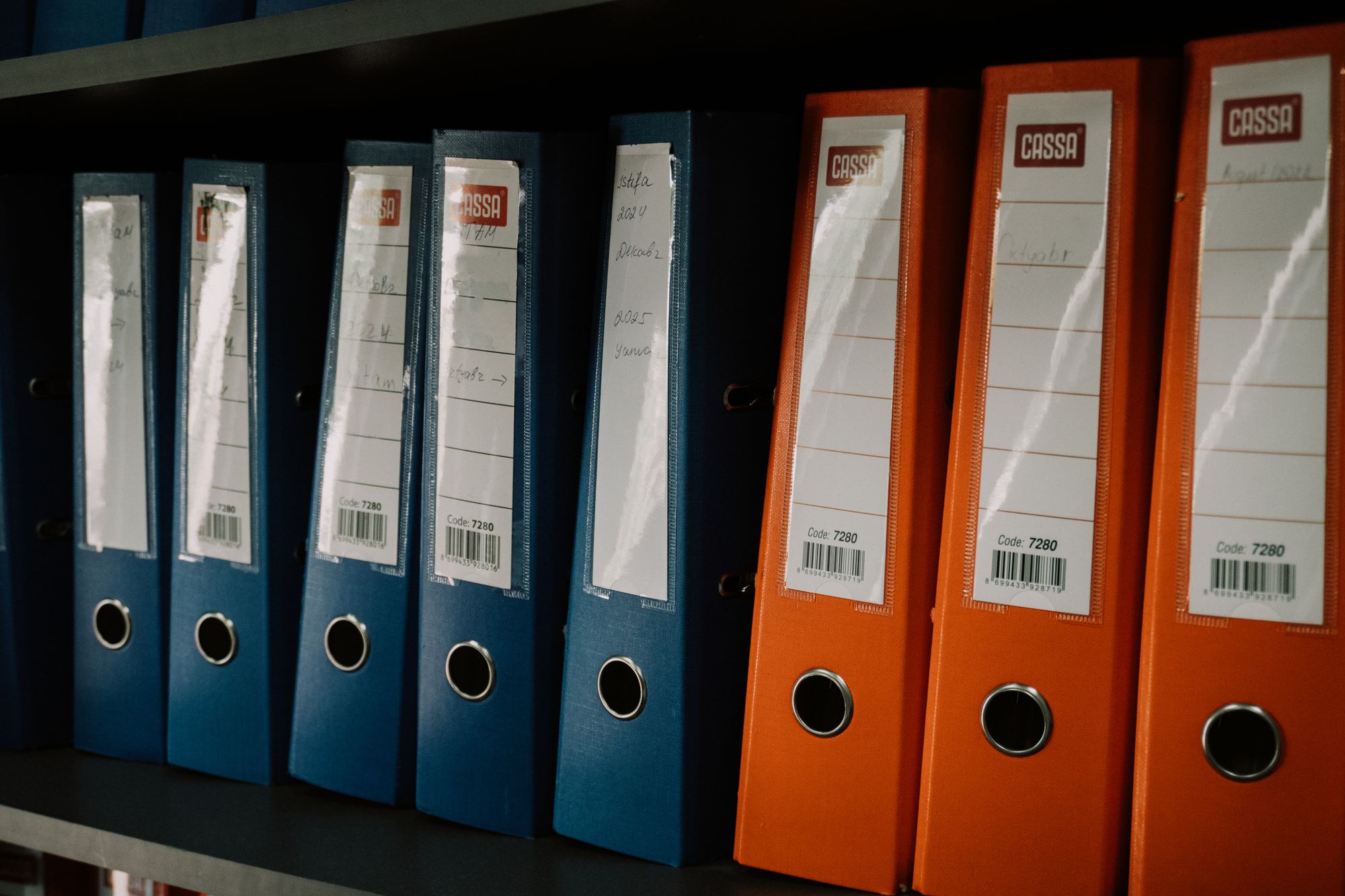
Two deceptively simple questions trip up many practices: how long do we have to keep records, and how do we get rid of them safely when we can? Get the first wrong by destroying records too soon and you can face legal, regulatory and clinical problems. Get it wrong the other way by keeping everything forever and you accumulate cost, clutter and risk. Get the destruction wrong, disposing of records in a way that exposes patient information, and you have created a privacy breach.
Records retention and destruction is an unglamorous compliance-and-operations discipline that every practice needs to handle deliberately, with a clear policy, rather than by accident or habit. Requirements vary by state, record type and situation, so confirm yours with current guidance and counsel. This is general information, not legal advice.
Why this matters
- Legal and regulatory compliance. Retention requirements come from various sources, including state law, federal rules and payer requirements, and holding records for the required periods is a legal obligation. Destroying too early is a real risk.
- Clinical and continuity value. Records have ongoing clinical value for patient care, so retention is not only a legal box, it supports continuity.
- Cost and risk of over-retention. Keeping everything indefinitely carries its own storage costs and risks: more data to protect, more exposure in a breach.
- Privacy in disposal. Improper destruction, records that end up readable in the trash or devices with data not wiped, is a serious and well-known source of privacy violations.

How long to keep records
The honest answer is that it depends, which is exactly why a clear, informed policy matters. Retention requirements vary based on:
- State law, which sets retention periods that differ by state.
- Record type. Different kinds of records, adult versus minor patients, certain specialties, billing versus clinical, can carry different requirements.
- Special situations. Minors’ records, for instance, often must be kept longer, frequently past the age of majority.
- Other obligations. Payer, accreditation and other requirements may apply on top of legal minimums.
Because of this variability, the essential step is to determine the retention periods that actually apply to your practice and record types, and set a policy accordingly, rather than guessing, following a rule of thumb, or copying another practice. When periods differ, the safe approach is generally to follow the longest applicable requirement.
Building a retention policy
- Determine your requirements. Establish the retention periods that apply to your practice, state and record types, with professional input. This is the foundation everything else rests on.
- Write a clear policy. Document a retention schedule: what you keep, for how long, and how it is stored, so retention is handled consistently rather than by individual judgment.
- Store records securely for the period. Whether digital or paper, records must be kept securely and remain accessible. Digital storage with proper access controls and reliable backup is generally safer and easier than paper.
- Track what is due for destruction. Know which records have passed their retention period and are eligible for disposal.
- Destroy securely. Paper shredded, digital data properly and irreversibly wiped, devices sanitized before disposal or reuse.
- Document the destruction. Keep a record of what was destroyed and when. Documentation demonstrates you followed a proper process if it is ever questioned.

The secure-destruction imperative
Destruction deserves emphasis because it is where practices most often stumble into a breach. Records disposed of carelessly are a well-documented source of privacy violations: the box of old charts in a dumpster, the old computer or hard drive sold or discarded with patient data still readable on it.
Secure destruction means paper is shredded rather than tossed, digital data is properly and irreversibly destroyed, and any device that held patient information is thoroughly sanitized before it leaves your control. This applies to your equipment lifecycle too. Treating destruction as casually as taking out the trash is exactly how practices turn routine disposal into a reportable incident, and it is one more reason reducing paper in the first place lowers your risk.
How your platform helps
Retention and destruction are far easier to manage well when records are digital and centralized. Digital records in a secure, cloud-based system are stored safely with access controls and backup for their retention period, far more securely and cheaply than paper in filing cabinets, and they do not carry the physical-disposal risk that paper and local devices do. A cloud model also means you are not personally managing the disposal of old servers and drives full of patient data. The retention policy is yours to set, with professional guidance; the platform handles much of the secure storage and management it depends on. Sound security practice underpins all of it.
Frequently asked questions
How long do I have to keep medical records?
It depends. Retention requirements vary by state law, record type including special rules for minors’ records, which often must be kept longer, and other obligations from payers or accreditation. There is no single universal answer, which is why you should determine the periods that actually apply to your practice with professional guidance rather than guessing. Where requirements differ, following the longest applicable period is generally the safe approach.
How should medical records be destroyed?
Securely. Paper records should be shredded rather than simply discarded, digital data should be properly and irreversibly wiped, and any device that held patient information must be thoroughly sanitized before it is disposed of or reused. Only destroy records once they have passed their required retention period, and document what was destroyed and when.
Do I need a records retention policy?
Yes. A clear, written policy specifying what you keep, for how long, how it is stored and how it is securely destroyed when eligible ensures records are handled consistently rather than by individual habit. It helps you avoid both destroying records too early, a legal and clinical risk, and keeping everything forever, a cost and privacy risk. Build the policy on the periods that actually apply to your practice.
Store records securely, dispose of the risk
MedTec keeps records in a secure, backed-up cloud system, with no filing cabinets or old drives to dispose of dangerously. Call 1-888-674-5334.