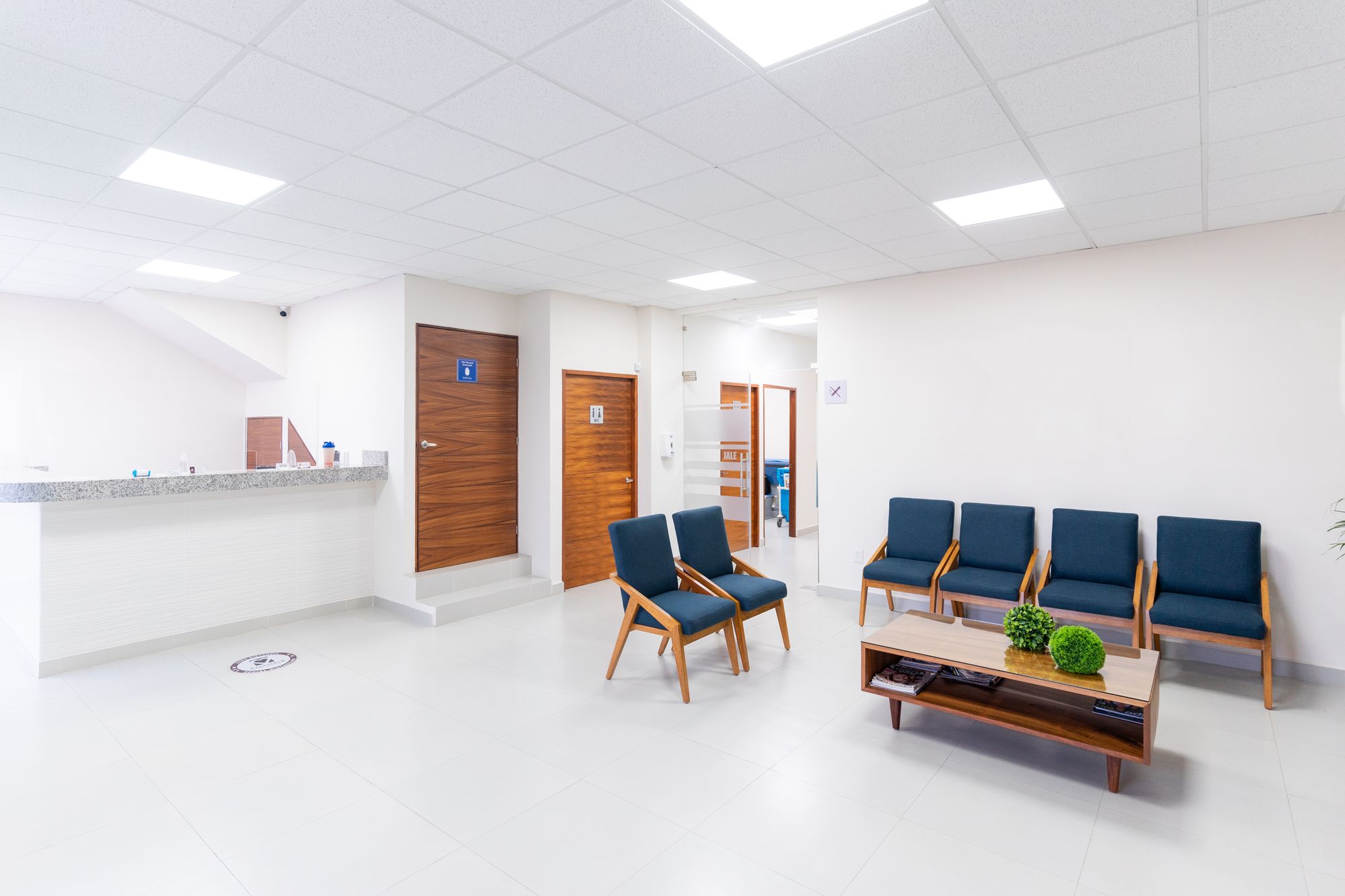
Ask patients what frustrates them most about healthcare and “the wait” reliably tops the list: waiting weeks for an appointment, waiting in the waiting room, waiting again in the exam room, and waiting on hold to reach the office. Long waits are not just an annoyance; they are a business problem. They drive down patient-satisfaction scores, show up prominently in negative online reviews, and quietly push patients to competitors who value their time.
The encouraging news is that most of the causes are fixable through better scheduling, intake and patient flow, usually without hiring a single additional person. This guide covers where the time actually goes and how to get it back.
Where the wait comes from
Long waits are almost always a symptom of a handful of upstream problems:
- Scheduling problems. Overbooking, one-size-fits-all templates and no buffer for complex visits mean the schedule falls behind before lunch.
- Slow check-in. Paper intake and manual data entry back up the front desk and delay every patient behind the one filling out forms.
- Bottlenecks in flow. Rooming, provider availability and hand-offs that are not in sync create stop-and-go delays inside the visit.
- No-shows and late arrivals. These throw off carefully planned schedules and cause a cascade of downstream delays.
- Documentation drag. When providers fall behind on charting, they run late on every subsequent patient, and the wait compounds through the day.

How to reduce wait times
Fix your scheduling templates
Match appointment length to visit type, build in buffers for complex or new-patient visits, and use smart scheduling rather than uniform slots that pretend every visit takes the same time.
Move intake before arrival
Digital intake turns check-in into a quick confirmation instead of 15 to 20 minutes of clipboard paperwork, which is often the biggest single source of waiting-room backup.
Cut no-shows and late arrivals
Reminders and easy rescheduling keep the schedule predictable, so the day does not lurch between empty slots and overbooked crunches.
Speed up documentation
When the note is largely drafted during the visit by AI documentation, providers stay on schedule instead of falling further behind with each patient, which is one of the most underappreciated causes of afternoon delays.
Watch the data
Track cycle time from arrival to departure, identify where patients actually get stuck, and fix the single biggest bottleneck first rather than guessing.

Why it pays off
Reducing wait times is one of the highest-return operational fixes a practice can make, because it improves so many things at once. Shorter waits mean higher patient-satisfaction scores, better online reviews, since long waits are a top theme in negative ones, fewer patients who walk out or do not return, and often more usable capacity from the same staff and space. It is rare to find an improvement that simultaneously helps patients, staff morale, reputation and revenue. Patient flow is one of them.
Frequently asked questions
Why are patient wait times so long?
Common causes include poor scheduling templates, slow paper-based check-in, bottlenecks in patient flow such as rooming and hand-offs, no-shows and late arrivals disrupting the schedule, and providers running behind because documentation eats into visit time and compounds through the day.
How can I reduce wait times without hiring more staff?
Optimize scheduling templates to match visit types, move intake online so check-in is fast, reduce no-shows with reminders and easy rescheduling, speed up documentation, and track cycle time to fix the biggest bottleneck. These are workflow fixes, not staffing additions.
Do wait times affect my practice’s reputation?
Yes. Long waits are consistently a top patient complaint and a recurring theme in negative reviews. Reducing them directly improves satisfaction scores and online reputation, which in turn drives new-patient growth through local search and word of mouth.
Give patients their time back
MedTec streamlines scheduling, intake and documentation so your day stays on track. See where the time goes in your own clinic. Call 1-888-674-5334.